
Traditional and Cultural Events: Celebrating Heritage and Tradition
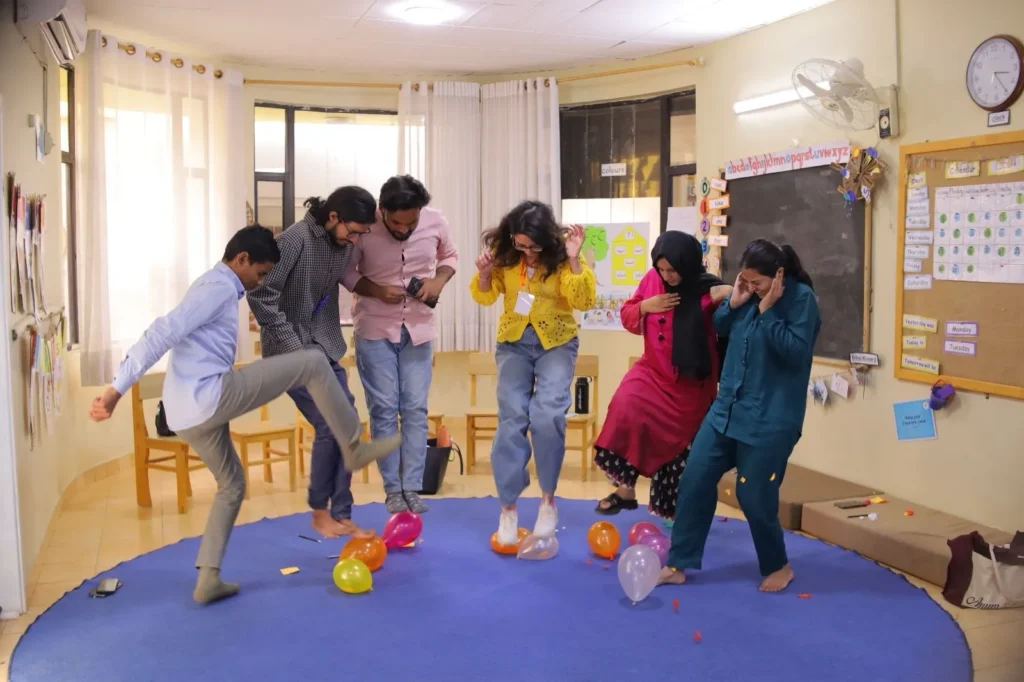
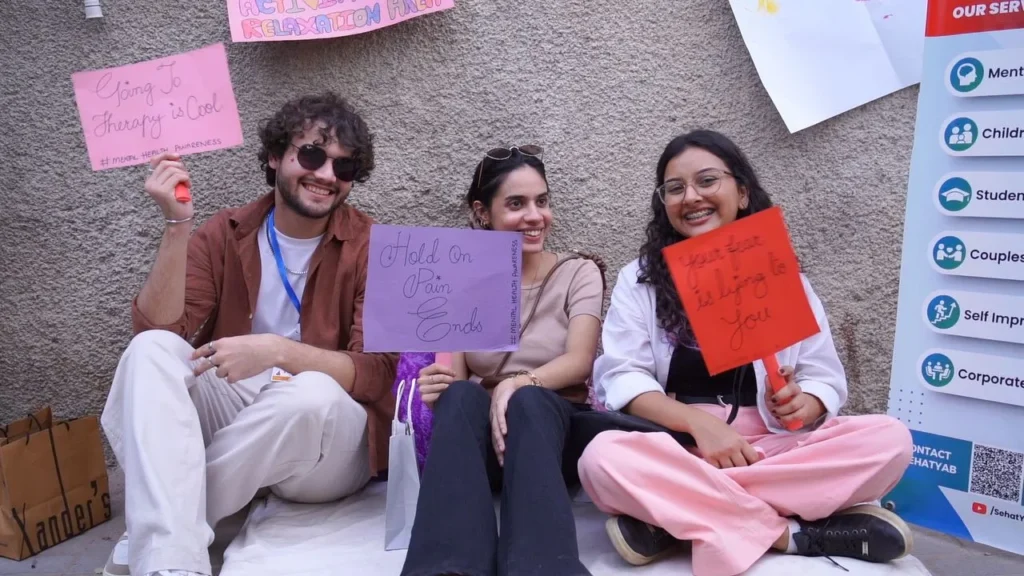
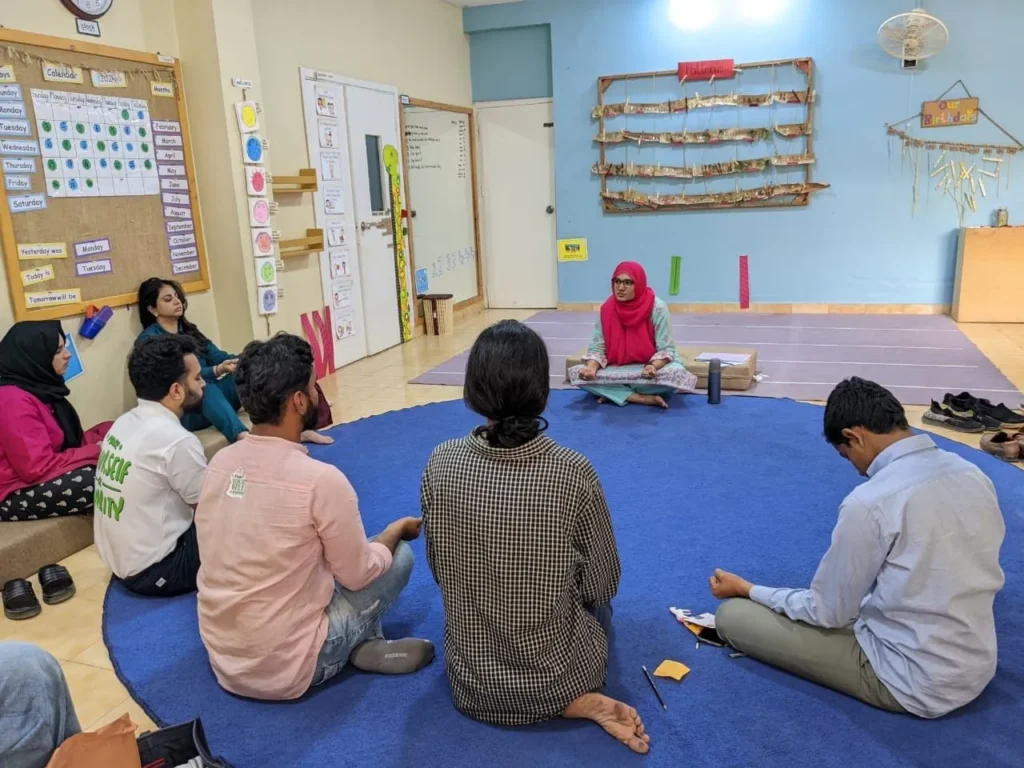
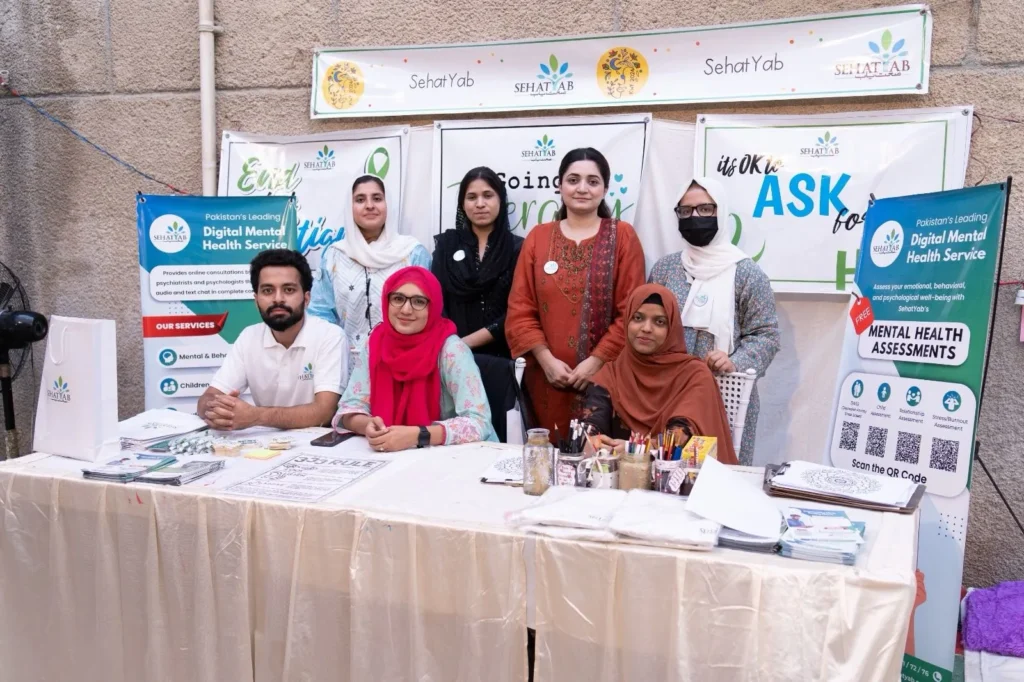
Traditional and cultural events in Karachi are a true reflection of the city’s rich heritage and diverse community. From colorful festivals to vibrant street celebrations, these moments deserve to be captured with passion and precision. Zohaan Studios, led by a talented female photographer in Karachi, specializes in beautifully documenting these cultural moments. With a keen eye for detail and a deep appreciation for Karachi’s traditions, Zohaan Studios brings these vibrant celebrations to life through stunning photography, preserving the city’s unique spirit for generations to come.
What Are Traditional & Cultural Events?
Traditional and cultural events are celebrations that reflect the practices, values, and beliefs of specific communities or cultures. These events can include religious festivals, holidays, rituals, and local celebrations, all of which are passed down through generations. They offer a way for communities to maintain their unique identity and pass on their customs and traditions.
Why Are Traditional & Cultural Events Important?
Preserving Cultural Heritage:
Traditional and cultural events are a way to keep the history and customs of a culture alive. They remind people of their roots, traditions, and the legacy of their ancestors. These events help educate younger generations about the importance of cultural values and how they shape their identity.
Building Strong Communities:
Cultural events foster a sense of unity and belonging within a community. Whether it’s a religious celebration or a seasonal festival, these events bring people together to share in collective joy and experiences. They help strengthen social bonds and create a sense of pride and connection.
Promoting Understanding Across Cultures:
By participating in cultural events, people can learn about and appreciate the traditions of others. These events encourage cultural exchange and provide an opportunity for communities to interact, fostering greater understanding and respect for diversity.
Examples of Traditional and Cultural Events
Religious Festivals:
Religious festivals like Christmas, Ramadan, Diwali, and Hanukkah are celebrated in many cultures worldwide. These events involve prayers, rituals, feasts, and community gatherings that honor spiritual beliefs and teachings. They provide an opportunity for families and communities to come together in a spirit of devotion and celebration.
Seasonal Festivals:
Many cultures celebrate seasonal events to mark important times of the year. Harvest festivals like Thanksgiving and cultural celebrations such as the Chinese New Year signify the change of seasons and the abundance of nature. These festivals often include music, dance, and food as expressions of gratitude for nature’s gifts.
National Holidays:
National holidays are often linked to a country’s history, marking important events like independence or the founding of a nation. Examples include Independence Day in the United States and Bastille Day in France. These holidays often feature patriotic displays such as parades, fireworks, and public celebrations.
Cultural Competitions:
Traditional competitions like folk dance contests, cooking challenges, or music festivals are often held during cultural events. These competitions give participants the chance to showcase their skills and celebrate their culture’s artistry.
How Do Traditional Events Vary Across Cultures?
Traditional Clothing:
Cultural events often feature traditional clothing that reflects the history and identity of a community. For instance, during Diwali, many people wear new clothes, often in bright colors like red and gold, which symbolize prosperity and good fortune. Similarly, during Chinese New Year, the color red is commonly worn to bring good luck.
Music and Dance:
Traditional music and dance are integral to cultural celebrations. For example, in Spain, flamenco dancing is a significant part of cultural events, while in India, classical dance forms like Bharatanatyam are performed during festivals like Navratri. These performances often tell stories or convey important cultural values.
Food:
Food plays a central role in cultural events. Each festival or holiday has its own signature dishes, which are often prepared and shared with family and friends. For example, during Thanksgiving, turkey, mashed potatoes, and pumpkin pie are traditional staples in American homes. Similarly, during the Islamic month of Ramadan, dishes like dates, biryani, and sweets are commonly served at Iftar.
Spiritual Practices and Rituals:
Many cultural events have spiritual significance and involve rituals such as prayer, meditation, or fasting. For example, during Ramadan, Muslims fast from dawn to sunset, followed by a communal meal called Iftar. Similarly, in Hinduism, the festival of Holi involves prayer rituals to honor the arrival of spring.
How You Can Celebrate Traditional & Cultural Events
Participate in Local Festivals:
Look for opportunities to attend cultural events in your area. Many communities host festivals, parades, and performances that showcase different cultures. Participating in these events will help you experience new traditions and connect with people from various backgrounds.
Learn About the Traditions:
Take the time to learn about the customs and rituals associated with cultural events. You can start by reading up on the history of the festival or learning how to cook traditional dishes. This deeper understanding will enhance your appreciation of the event.
Host a Cultural Celebration:
Share your own cultural traditions with friends and family. Hosting a gathering with traditional food, music, and activities is a wonderful way to introduce others to your heritage and encourage cross-cultural exchange.
Final Thoughts
Traditional and cultural events are more than just celebrations—they are vital to preserving the identity, history, and values of communities. They bring people together, promote cultural understanding, and keep heritage alive for future generations. Whether through food, music, or rituals, these events offer a chance to connect with one another and celebrate the richness of human diversity. So, the next time you have the opportunity, join in on a cultural celebration and experience the joy and connection it brings.
1. What are traditional and cultural events?
Traditional and cultural events are celebrations that reflect the customs, beliefs, and values of a specific community or culture, often passed down through generations.
2. Why are cultural events important?
Cultural events help preserve heritage, build community connections, and promote understanding and respect for diverse cultures.
3. What are some examples of traditional events?
Examples include religious festivals, seasonal celebrations, national holidays, and cultural competitions like folk dances or cooking contests.
4. How do cultural events vary across different cultures?
They differ in clothing, music, food, and rituals, reflecting each culture’s unique traditions and values.
5. Can I participate in cultural events if I am not from that culture?
Yes, many cultural events are open to everyone and provide an opportunity to learn and appreciate other cultures.
6. How can I celebrate cultural events at home?
Celebrate by learning about the event’s customs, cooking traditional dishes, and sharing the experience with family and friends.
7. What role does food play in cultural events?
Food is central to many cultural events, often symbolizing prosperity and togetherness, and representing a culture’s unique flavors.
8. How do cultural events promote understanding and respect?
They provide a platform to learn about and appreciate different cultures, fostering respect for diversity and breaking down cultural barriers.
9. Can I organize my own cultural celebration?
Yes, organizing a cultural celebration at home is a great way to share your traditions with others and introduce them to new customs.
10. How can I get involved in local cultural events?
Look for local cultural festivals, parades, and community events listed on community boards, social media, or event websites.r